






CGFI (The UK Centre for Greening Finance and Investment)
Accelerating the adoption and use of climate and environmental data and analytics by financial institutions internationally
Connecting technology, data, and people to build a sustainable tomorrow.
















DAFNI drives cutting-edge research, empowering experts to tackle complex challenges across diverse industries. By providing powerful tools, models, and insights, we enable researchers to explore innovative solutions that drive sustainable development and shape the future of infrastructure.
Accelerating the adoption and use of climate and environmental data and analytics by financial institutions internationally
A Digital Solutions Hub facilitating improved access and better use of NERC data.
The OpenCLIM project (Open Climate Impacts Modelling Framework) is designed to support UK assessment of climate risks and adaptation
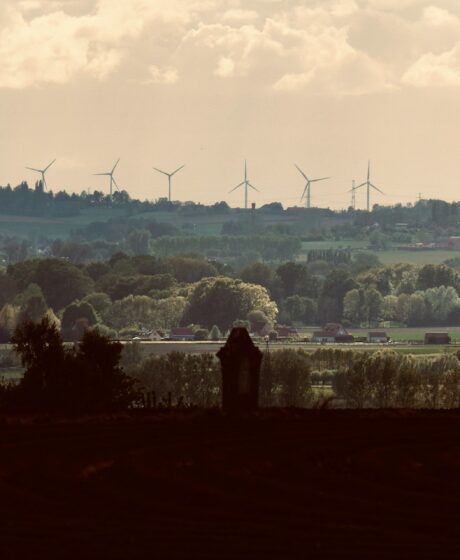
BRINES (Building Risk-Informed redundancy for Net-zero Energy Systems) is a collaboration project led by Dr Hannah Bloomfield from Newcastle University.

ClimaTracks is a collaboration project led by Giuliano Punzo from the University of Sheffield.
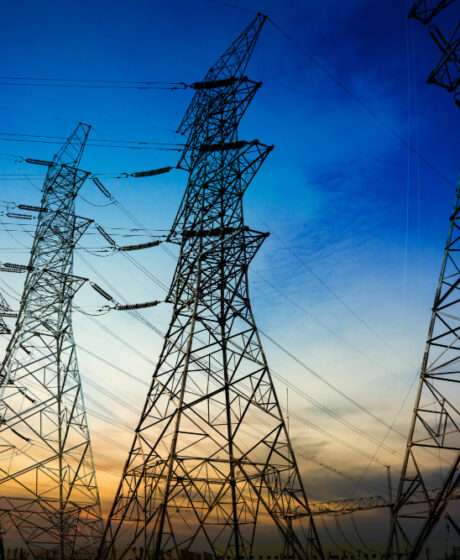
D-RES (Provision of distributed grid resilience using EVs during extreme weather events) is a collaboration project led by Dr Desen Kirli from University of Edinburgh along with Dr Laiz Souto from University of Bristol.
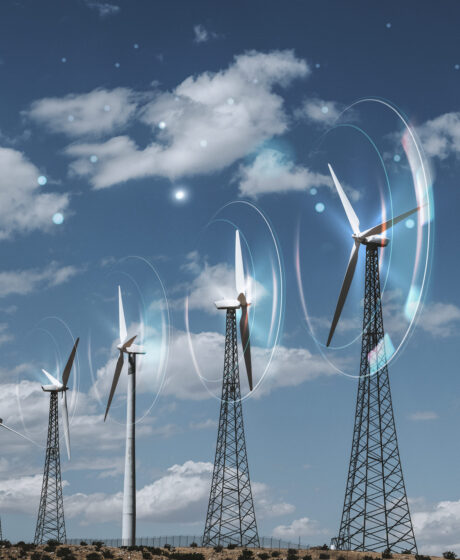
ForNet (FORecasting Services for Energy NETworks) is a collaboration project led by Professor Konstantinos Nikolopoulos from Durham University.

MARS (Modelling Aviation Resilience Scenarios) is a project led by Dr Fabian Steinmann from Cranfield University along with Dr Irene Moulitsas and Dr Desmond Bisandu from Cranfield University.
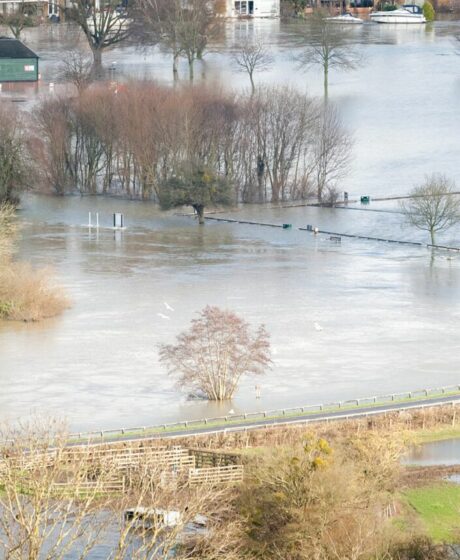
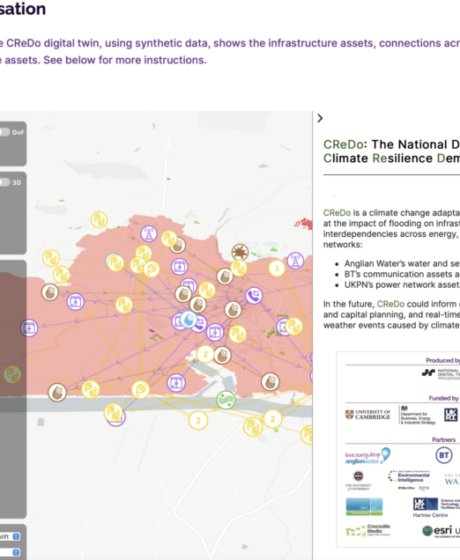
Building systemic resilience of interdependent infrastructure networks at the national scale
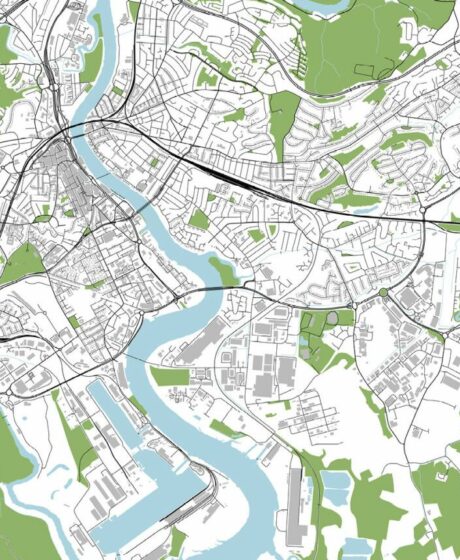
Pywr-WREW, a water resources model for England and Wales built in Python water resources simulation system

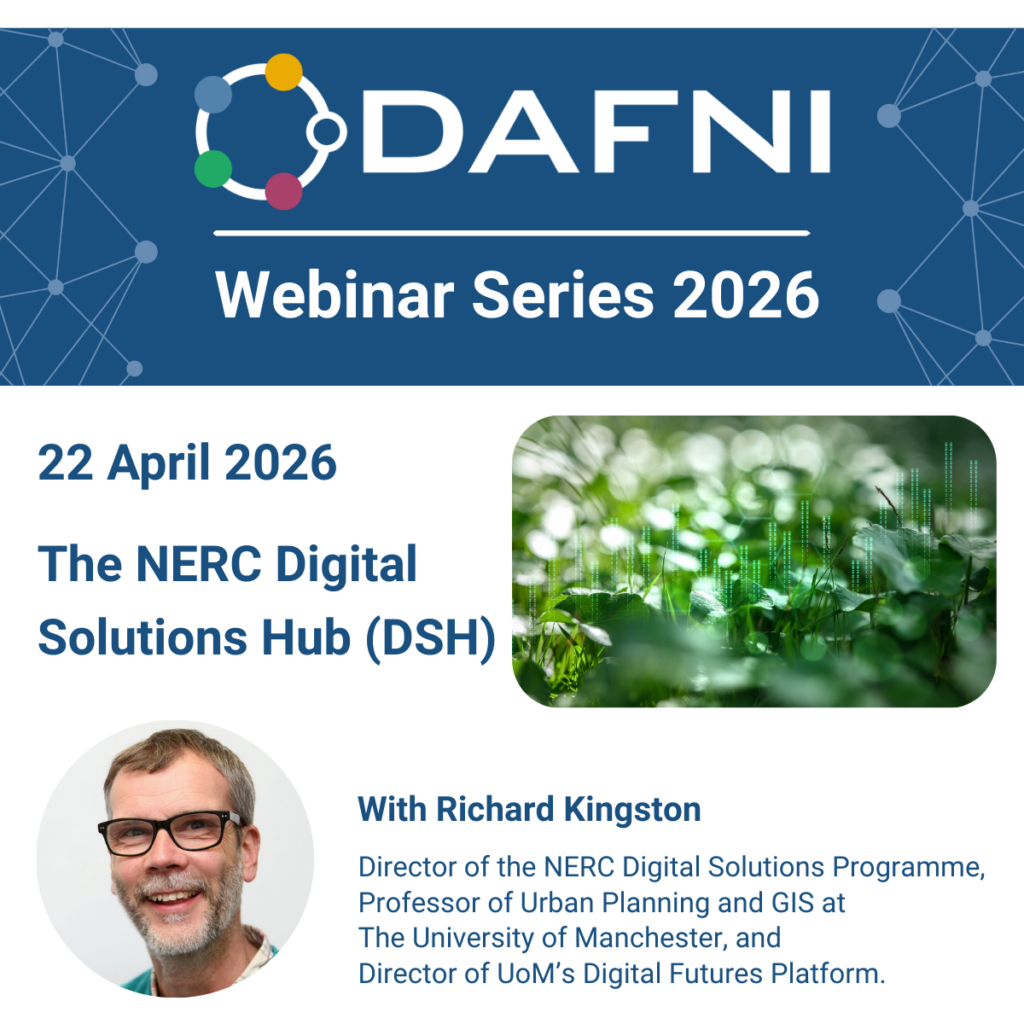
 Events
22 Apr 2026
12pm
Webinar
DAFNI drives cutting-edge research, empowering experts to tackle complex challenges across diverse industries. By providing powerful tools, models, and insights, we enable researchers to explore innovative solutions that drive sustainable development and shape the future of infrastructure.
Who We Are
At DAFNI, we’re building a vibrant community of infrastructure researchers. Our rich set of interoperable models enables collaboration, knowledge sharing, and innovative solutions for tomorrow’s challenges.
Sign up

The launch of the DAFNI system represents a monumental milestone in developing the UK’s Data and Analytics Facility for National Infrastructure. With Climate change impacting our nation, it is now more important than ever to understand how we can better prepare the UK for extreme events. DAFNI will provide the UK with infrastructure data analysis and previously unseen levels of computer performance providing greater insights to inform policy decisions and therefore lead the world in our ability to prepare for these extreme events.
Chair of DAFNI Governance Board